
Ahhh, Phragmites australis. The common reed. Frequent denizen of roadsides and disturbed wetlands, with its lofty, green-then-golden stalks and romantic, cottony seedheads. To the naturalist's eye and the ecologist's ledger, it is an exotic flora, an unwelcome expendable to be eradicated in favor of [arguably] more native, nutrient-rich vegetation. But like so many weeds, in recent times this reed …
Author: Hilary Vidalakis
Rhizomatic Reading
“While I’ve been living here, on and off, all my life, I’m still ignorant of the names of most of the sedges and grasses and trees around me. Spending time in nature produces, among other results, a general feeling of stupidity, constantly reminding you of the thousands of obvious facts you don’t know. I never …
On Osprey Time
Two by two, and sometimes three, four, or five, they rose up from the ocean floor: horseshoe crabs, Limulus polyphemus, warrior-like in their armored, segmented shells. We humans, sixty-five strong, huddled around two naturalists as they turned over wriggling specimens (always by the shell, never by the tail) and pointed out compound eyes, bifurcated penises, bright blue eggs, and flukeworms in the gills. …
Calling All Tricksters
"It behooves all good humans to become ever more effective storytellers." —Carolyn Casey I've had the good fortune to have sat (and played, hiked, and fire-lit) in the company of some serious tricksters. There was Teets, my old field boss, a wise-cracking guardian of Yellowstone's northern range; Shan, a fire pixie who taught me to wield …
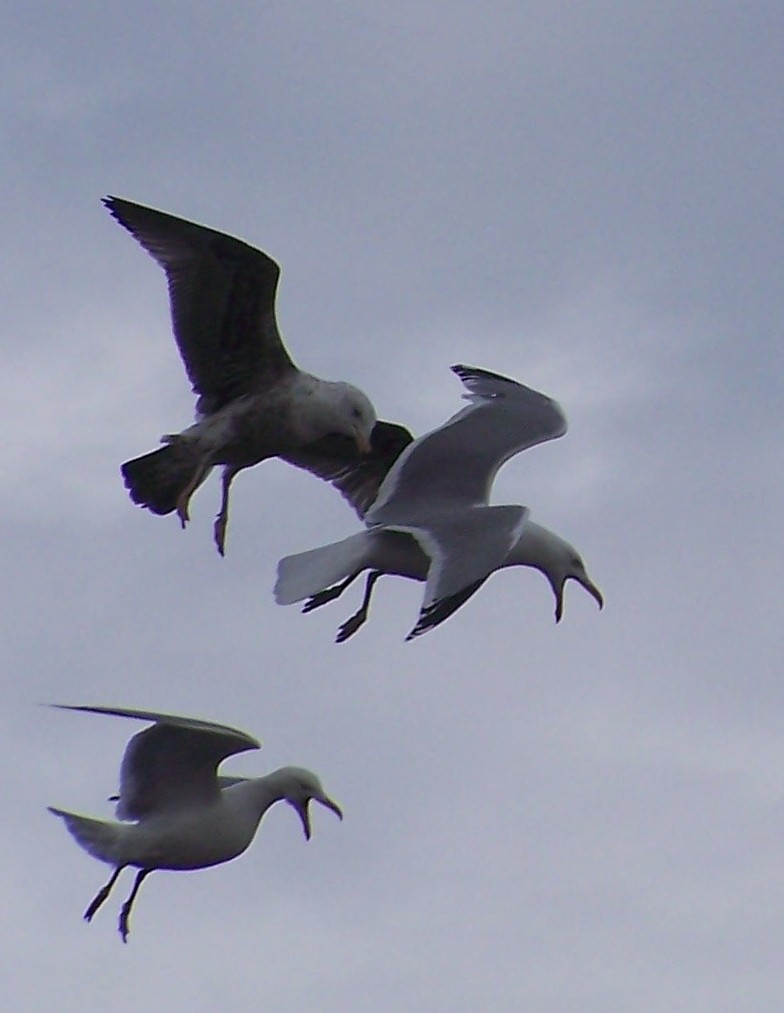
At water’s edge
One summer during college, I lived for a few weeks in an activists' cooperative called "Watermargin." It was a sprawling old house, artfully run-down, tucked into the edge of the woods. Nothing matched, the paint was peeling, and a healthy population of mice held court over the lower floors. It was also home to an activist …
 Writing the Wild